


What If More People at Work Knew How to Help?
Most employees spend a significant part of their lives with coworkers. Yet noticing that a colleague may be struggling and knowing how to respond are two different things. The signs are not always obvious. An engaged employee becomes quiet. A dependable colleague begins missing deadlines. Someone who regularly joins conversations starts withdrawing or appears unusually distracted, frustrated, or exhausted.

Stronger Mental Health Supports When Emergencies Strike: What Employers Need to Know
The Government of Canada has announced a $1.2 million investment to strengthen mental health and psychosocial supports during emergencies, reinforcing that psychological well-being is now recognized as a critical part of emergency preparedness.
The funding will expand Psychological First Aid training, develop trauma-informed resources for youth, strengthen national emergency mental health tools, and create practical supports for older adults, caregivers, and frontline providers.

Mental Health in the Workplace 2025: What Canadian Employers Need to Know
Mental health has become the world’s leading health concern, surpassing both cancer and COVID-19 for the first time in global Ipsos tracking. Across 31 countries, 44% of respondents identified mental health as one of the biggest health issues facing their country, representing a 17 percentage-point increase since 2018.

Mental Health Is Now the World’s Top Health Concern. What Does That Mean for Workplaces?
Mental health is now the world’s leading health concern, according to new Ipsos research spanning 31 countries. As healthcare systems face increasing strain, workplaces are becoming an important point for early recognition and support. This article explores the latest findings, what they mean for employers, and how organizations can strengthen Psychological Health and Safety through practical early intervention and Crisis-Ready capability.

Top 5 Workplace Safety Risks for Ontario SMEs: Lessons for Prevention & Readiness
Ontario employers continue to face five recurring workplace safety risks: slips and falls, musculoskeletal disorders, machine hazards, workplace violence and harassment, and low Occupational Health and Safety awareness. This review explores what these risks reveal about prevention, due diligence, and workplace culture, while highlighting how early intervention, documented training, and trusted workplace upstanders can strengthen both Occupational Health and Safety and Psychological Health and Safety before incidents escalate.

Workplace Mental Health Collaboration: Lessons for Early Intervention and Psychological Safety
Mental health challenges are increasingly affecting workplaces, yet research shows there is limited evidence on how organizations and occupational health services work together to provide support. This review explores the barriers and enablers of effective collaboration, including trust, role clarity, and timely access to care. Discover practical lessons for employers seeking to strengthen Psychological Health and Safety, support employees earlier, and create workplaces where people know how to respond before challenges escalate.

When Early Help Matters: What 407 ETR’s Gift Reveals About Protecting First Responders
407 ETR’s $5 million donation to Runnymede Healthcare’s PTSI Centre of Excellence is more than a funding announcement. It is a powerful reminder that early intervention matters. For workplace leaders, the lesson is clear: when employees have access to timely support, trusted pathways to care, and colleagues who know how to respond, organizations can reduce harm, strengthen resilience, and protect people before a crisis escalates.
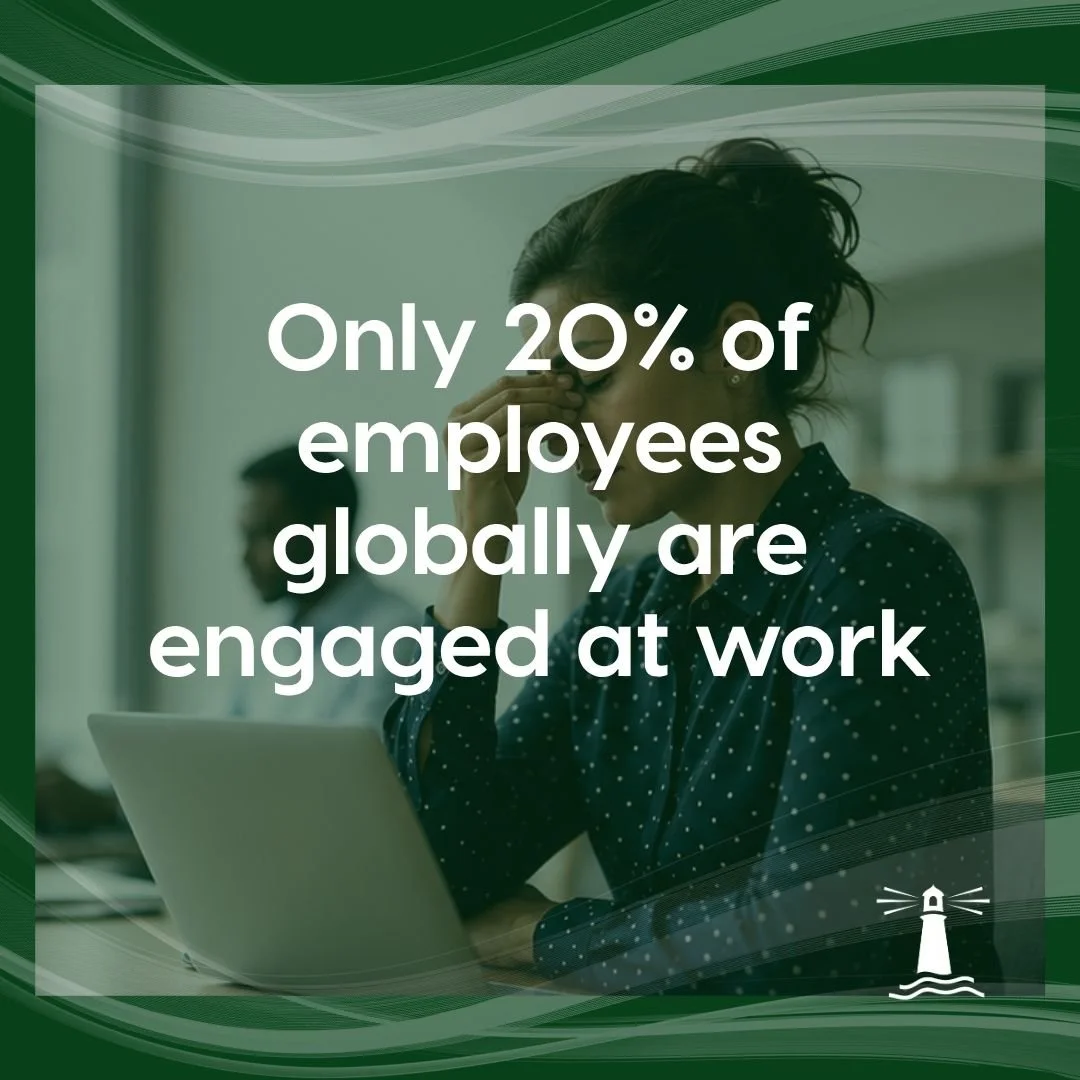
Early Intervention Lessons from the State of the Global Workplace
A recent Gallup report found that only 20% of employees globally are engaged at work, while manager engagement has fallen sharply and workplace stress remains elevated. These trends are more than business metrics. They are early warning signs of growing workplace risk. This review explores what declining engagement, leadership strain, and employee uncertainty mean for Psychological Health and Safety, and why organizations need trusted upstanders and Crisis-Ready Interventionists to recognize risk early, support colleagues, and prevent harm before it escalates.

When Global Trends Meet the Office: Early Intervention to Keep People Safe
The Lancet analysis reports substantial increases in prevalence and disability from mental disorders between 1990 and 2023, with the highest burden concentrated among adolescents and young adults.
For workplaces, this means more employees arriving already strained, and more situations where small issues can become drains on safety and engagement.
People, not policies, stop escalation. When teams notice early warning signs and step in with care, they reduce harm, protect job performance, and preserve trust.

Acting Early on Rising Anger Among Young Men to Protect Workplaces
Anger that interferes with daily life can show up at work as incivility, unresolved conflict, interpersonal tension, silence, or avoidance.
When colleagues withdraw or fear speaking up, team performance and safety suffer, and people’s dignity is at stake.
This isn’t about blaming individuals. It is about recognizing a preventable pattern.
People — not policies — stop escalation. Preparing visible, trusted upstanders and trained Crisis‑Ready Interventionists helps teams step in early to protect people and preserve relationships.

Seeing Strain Early: Responding to Declining Workplace Mental Health with Human Action
Workplace mental health strain often appears long before a crisis occurs. Anxiety, isolation, unresolved conflict, and financial stress are increasingly affecting employees across industries, impacting engagement, trust, retention, and psychological safety. This article explores how organizations can recognize early warning signs, encourage employees to speak up safely, and build practical prevention capability through trusted upstanders and early intervention. Learn how small human actions, timely check-ins, and Crisis-Ready Interventionist training can help reduce harm, strengthen culture, and support healthier, more resilient workplaces.

Understanding Crisis Management: A Review of Workplace Safety Investigation
Workplace mental health is a critical safety issue. Learn how organizations can prevent employee crisis through early intervention, training, and building crisis-ready workplace capability.

Situational Awareness: A Core Skill for a Crisis-Ready Workplace
When early signals such as bullying, hostility, erratic behaviour, or emotional overwhelm are missed, issues compound into tension, psychological strain, and operational risk.
Situational awareness strengthens both physical and psychological safety. It helps teams recognize when conduct may require support or formal escalation and gives leaders and peers more confidence to act before a situation intensifies.